The Isle of Man has more Viking-age silver per square kilometre than any of its neighbouring territories. Here are some of the most significant archaeological discoveries made on the island.
💰 Viking Treasure Hoards
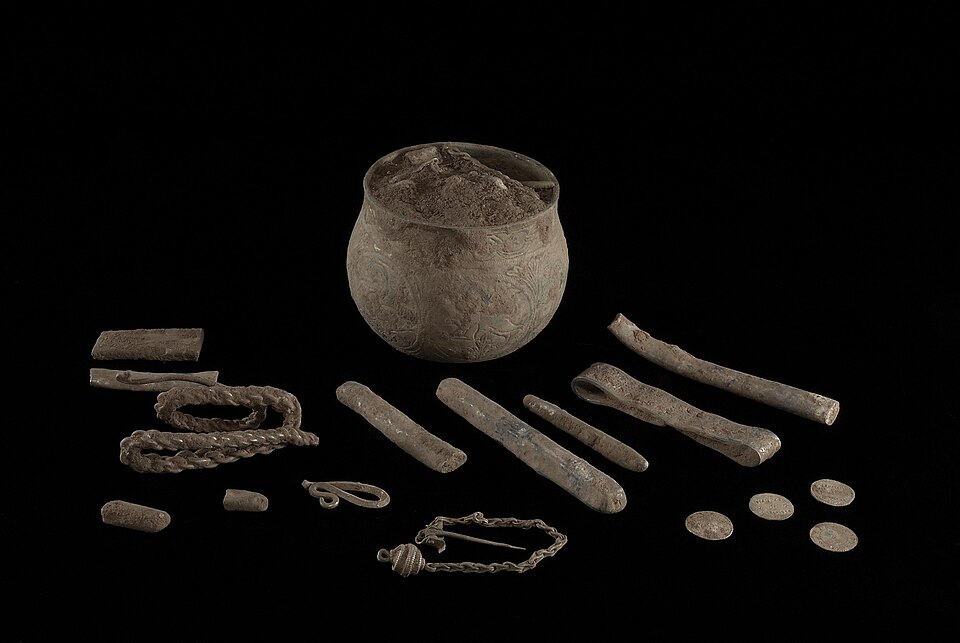
The Ballaquayle Hoard (1894)
The largest single collection of Viking silver ever found on the Isle of Man. The hoard includes arm rings, hack-silver, coins, and ingots dating to c.AD 950-1000. It represents the wealth of a high-status Norse settler who buried their valuables — and never returned to collect them.
🌟 Internationally Significant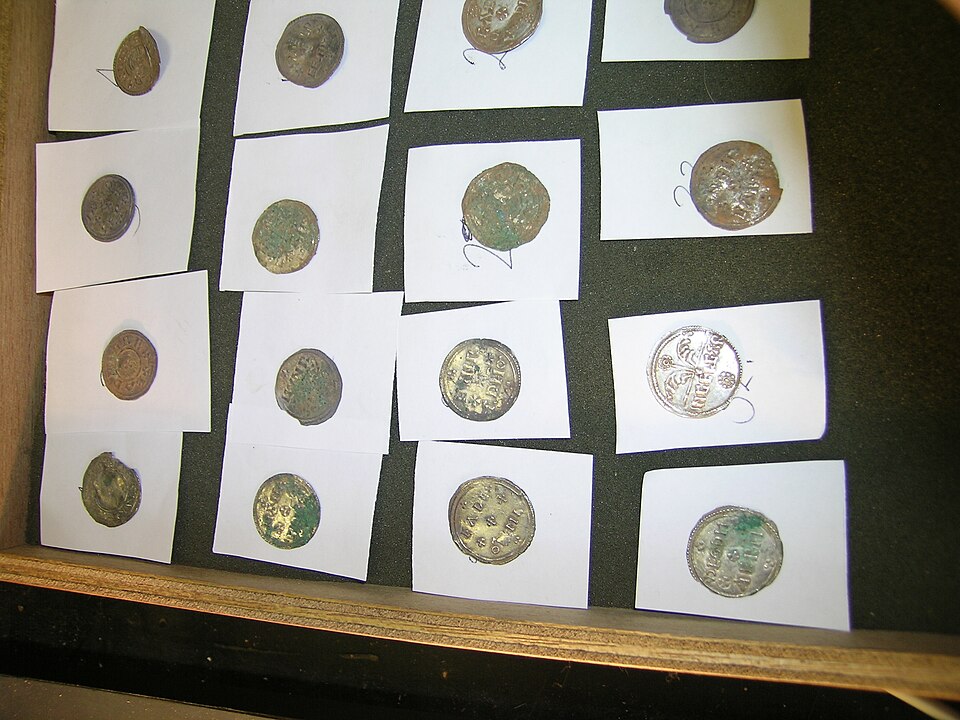
The 2024 Viking Coin Hoard
Approximately 36 silver Viking-age coins — both whole and fragmented — dating from AD 1000 to 1065. Described as a "wallet" of coins, this discovery shed light on a vibrant Viking-era economy where traders and cash moved through England and Ireland. Found by two metal detectorists.
🔥 Most Recent Major Find
The Kath Giles Hoard (2020)
An internationally significant find consisting of a gold arm-ring, a massive silver brooch, at least one silver armband, and other associated items buried around AD 950. Found by metal detectorist Kath Giles. The gold arm-ring is one of the finest Viking-age gold objects found in the British Isles.
🌟 Internationally Significant — Gold & Silver⚔️ Viking Burials

Ballateare Viking Ship Burial
One of the most important Viking burial sites in the British Isles. A 10th-century ship burial containing a male warrior with weapons, a shield, riding equipment — and a sacrificed young woman. The finds revealed the brutality and grandeur of Norse funerary practices on Mann.
🌟 British Isles Significance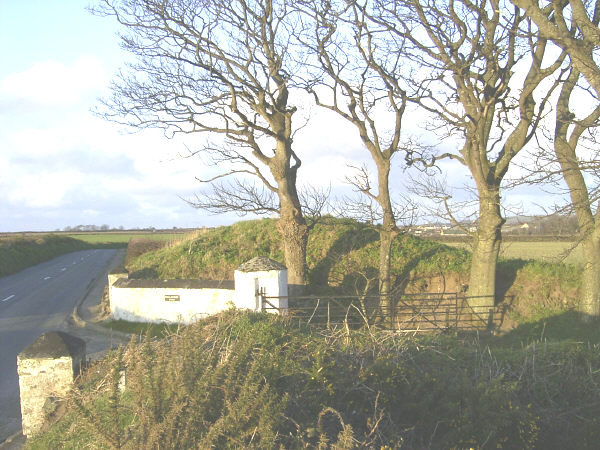
Knock y Doonee Ship Burial
A major Viking ship burial site in Andreas parish. The burial contained a boat, weapons, and personal items typical of a high-status Norse warrior. The Andreas area has produced numerous Viking finds and features some of the finest carved Norse crosses in existence.
🏛️ Ancient Discoveries
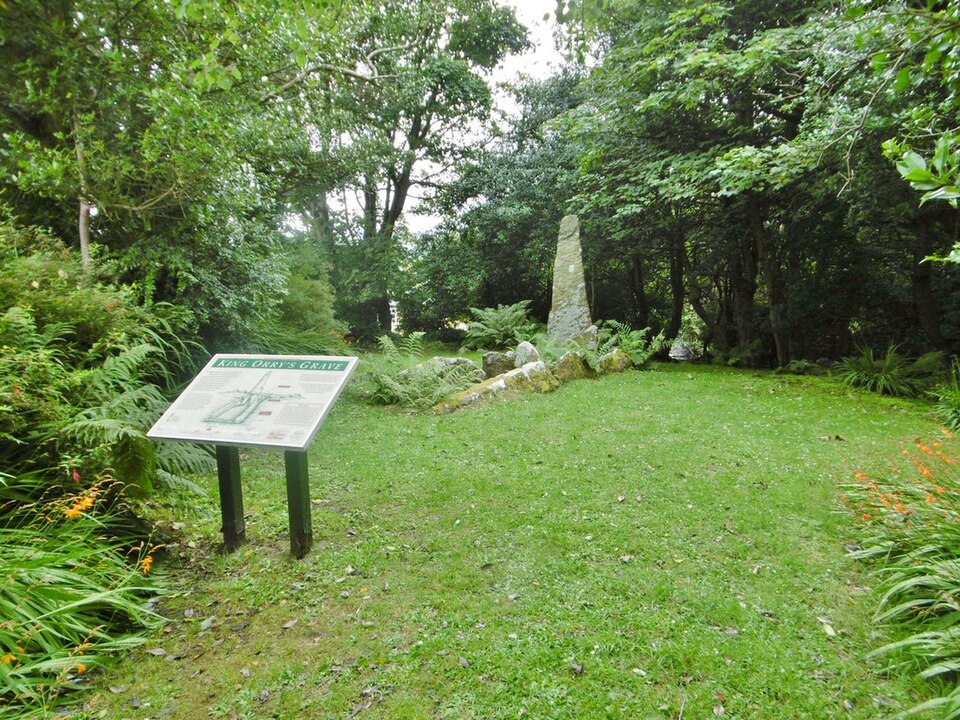
King Orry's Grave
One of the Isle of Man's most famous megalithic tombs — a Neolithic chambered cairn dating to approximately 3500 BC. Named after the legendary first Norse King of Mann, Godred Crovan ('King Orry'). The two-part burial chamber contained the remains of multiple individuals and grave goods. The fields around it have yielded Bronze Age metalwork.

Bronze Age Gold Foil Disc
A stunning 4,000-year-old gold foil disc — one of the finest Bronze Age gold objects found on the island. Described as "absolutely beautiful" by Manx National Heritage curators, it demonstrates that the Isle of Man was connected to far-reaching Bronze Age trade networks that moved precious metals across the British Isles and beyond.
🗺️ Explore These Sites on the Map
All of these discovery locations are marked on our interactive map with GPS coordinates, detecting tips, and landowner permission templates.